

How to store a heater during the off - season?
Hey there! As a heater supplier, I've seen firsthand how important it is to store your heater properly during the off-season. Not only does it help extend the heater's lifespan, but it also ensures that it'll be in top-notch condition when you need it again. In this blog post, I'm gonna share some tips on how to store a heater during the off-season.
Step 1: Clean Your Heater Thoroughly
Before you even think about storing your heater, you gotta clean it up. Dust, dirt, and debris can build up over time, and if left unchecked, they can cause all sorts of problems. For electric heaters, start by unplugging it and letting it cool down completely. Then, use a soft, dry cloth to wipe down the exterior. You can also use a vacuum cleaner with a brush attachment to suck up any dust from the vents and crevices.
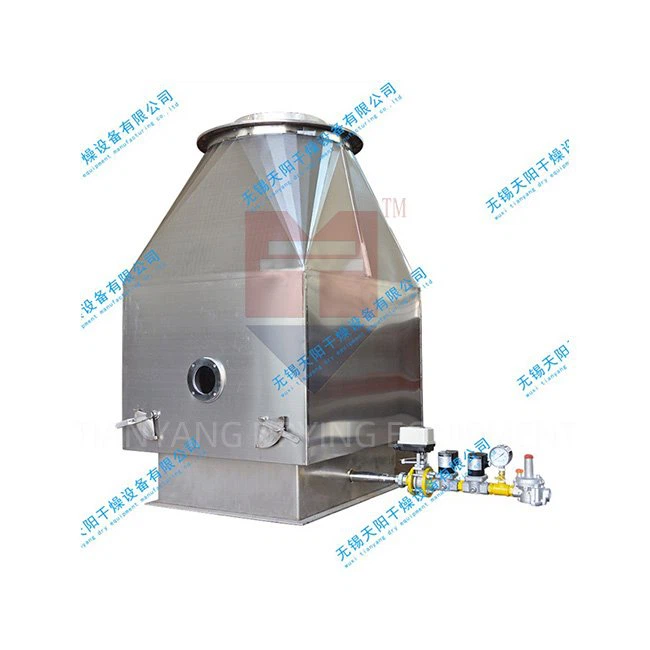
For gas heaters, it's a bit more involved. First, turn off the gas supply and let the heater cool. Then, remove the access panels carefully. Use a brush to clean the burner and other internal components gently. Make sure to remove any loose debris. You might also want to use a compressed air can to blow out any hard-to-reach dust. Check out our Hot Air Furnace for Spray Dryer and Hot Air Stove for Spray Dryer for high - quality heating solutions that are easier to clean and maintain.

Step 2: Inspect for Damage
Once your heater is clean, give it a good once - over for any signs of damage. Look for cracks, frayed wires, or any other issues that could pose a safety risk. If you find any problems, it's best to get them fixed before storing the heater. You don't want to wait until the next heating season to discover a major problem. For electric heaters, check the power cord for any signs of wear and tear. If the cord is damaged, it should be replaced immediately.
For gas heaters, check the gas lines for leaks. You can use a soapy water solution to test for leaks. Apply the solution to the gas connections, and if you see bubbles forming, there's a leak. In this case, you should call a professional technician to fix it.
Step 3: Disassemble (if applicable)
Some heaters can be disassembled for easier storage. For example, if you have a space heater with a detachable base or a heater with removable parts, take them apart. This not only makes the heater smaller and easier to store but also allows you to clean the individual parts more thoroughly. Just make sure to keep all the parts together and label them if necessary so you can put the heater back together correctly later.
Step 4: Choose the Right Storage Location
The place where you store your heater is crucial. You want to pick a location that's dry, cool, and well - ventilated. Avoid storing the heater in a damp basement or a hot attic. Moisture can cause rust and corrosion, while high temperatures can damage the internal components of the heater.
A closet or a storage shed that's protected from the elements is a great option. If you're storing the heater in a shed, make sure it's elevated off the ground to prevent water damage. You can use pallets or a storage rack to keep the heater off the floor.
Step 5: Protect the Heater
Once you've found the perfect storage spot, it's time to protect the heater. You can use a heater cover or a large plastic bag to keep dust and dirt away. Make sure the cover fits snugly around the heater. If you don't have a cover, you can use an old bedsheet or a piece of fabric. Just make sure it's clean before you use it.
Step 6: Store with Care
When you're placing the heater in storage, be gentle. Don't stack heavy items on top of it, as this can cause damage. If you're storing multiple heaters, make sure they're not touching each other to prevent scratches and dents.
Step 7: Keep Records
It's a good idea to keep a record of when you stored the heater and any maintenance or repairs you've done. This will help you keep track of the heater's condition and when it might need servicing in the future. You can use a simple spreadsheet or a notebook to keep these records.
Step 8: Check on the Heater Periodically
Even though the heater is in storage, it's a good idea to check on it every few months. Take a quick look to make sure there are no signs of damage or moisture. If you notice any problems, address them right away.
Step 9: Prepare for the Next Season
As the next heating season approaches, take the heater out of storage a few weeks early. Clean it again if necessary and reassemble it (if you disassembled it). Test the heater to make sure it's working properly. This will give you enough time to get any repairs done if needed.
If you're in the market for a new heater or need to replace an old one, we've got you covered. Our Hot Air Furnace for Spray Dryer and Hot Air Stove for Spray Dryer are top - of - the - line products that offer excellent performance and reliability.
We're always here to help you with your heating needs. Whether you have questions about heater storage, maintenance, or you're interested in purchasing a new heater, feel free to reach out for a procurement discussion. We can provide you with all the information you need to make an informed decision.
References
- "Heating System Maintenance Guide", Home Appliance Magazine
- "Safe Storage of Heating Equipment", National Fire Protection Association