

What are the common problems with pressure nozzle spray dryers and how to solve them?
As a supplier of Pressure Nozzle Spray Dryers, I've witnessed firsthand the numerous advantages these machines offer in various industries, from food and pharmaceuticals to chemicals and ceramics. However, like any complex equipment, pressure nozzle spray dryers can encounter several common problems. In this blog, I'll delve into these issues and provide practical solutions to help you keep your dryer operating at peak efficiency.
1. Clogging of Nozzles
One of the most prevalent problems with pressure nozzle spray dryers is nozzle clogging. This occurs when solid particles in the feed liquid accumulate inside the nozzle, obstructing the flow of the liquid and disrupting the spray pattern. Clogging can be caused by various factors, including high solids content in the feed, improper filtration, or the presence of large particles.
Solutions
- Proper Filtration: Install a high - quality filtration system before the feed reaches the nozzle. This can remove large particles and prevent them from entering the nozzle. Regularly clean and replace the filters to ensure optimal performance.
- Adjust Feed Composition: Analyze the feed liquid and adjust its composition if necessary. Reducing the solids content or using a different solvent can sometimes alleviate clogging issues.
- Nozzle Design and Maintenance: Choose nozzles with appropriate orifice sizes and designs for your specific application. Regularly inspect and clean the nozzles to remove any accumulated deposits. Ultrasonic cleaning can be an effective method for deep - cleaning clogged nozzles.
2. Uneven Spray Pattern
An uneven spray pattern can lead to inconsistent drying and poor product quality. It may result from factors such as nozzle wear, improper pressure distribution, or misalignment of the nozzles.

Solutions
- Nozzle Inspection and Replacement: Regularly check the nozzles for signs of wear, such as erosion or damage to the orifice. Replace worn - out nozzles promptly to ensure a uniform spray pattern.
- Pressure Regulation: Ensure that the pressure supplied to the nozzles is consistent. Use pressure regulators and monitors to maintain a stable pressure throughout the drying process.
- Nozzle Alignment: Properly align the nozzles to ensure that the spray is evenly distributed across the drying chamber. This may require periodic adjustment and calibration.
3. Product Overheating or Under - drying
Maintaining the right temperature and drying time is crucial for achieving the desired product quality. Overheating can cause product degradation, while under - drying can result in a product with high moisture content.
Solutions
- Temperature Control: Install accurate temperature sensors in the drying chamber and adjust the heating system accordingly. Use a PID (Proportional - Integral - Derivative) controller to maintain a stable temperature within the desired range.
- Airflow Management: Optimize the airflow in the drying chamber to ensure efficient heat transfer and uniform drying. Adjust the air inlet and outlet settings to control the residence time of the product in the chamber.
- Feed Rate Adjustment: Adjust the feed rate of the liquid to match the drying capacity of the system. A too - high feed rate can lead to under - drying, while a too - low feed rate may cause overheating.
4. Build - up in the Drying Chamber
Material build - up on the walls and internal components of the drying chamber can reduce the efficiency of the dryer and affect product quality. This build - up can be caused by sticky feed materials, improper airflow, or insufficient cleaning.
Solutions
- Anti - Adhesive Coatings: Apply anti - adhesive coatings to the internal surfaces of the drying chamber to prevent material from sticking. These coatings can make it easier to clean the chamber and reduce the frequency of build - up.
- Airflow Optimization: Ensure that the airflow in the chamber is properly designed to minimize the deposition of particles on the walls. Use baffles or air deflectors to direct the airflow and prevent stagnant areas.
- Regular Cleaning: Establish a regular cleaning schedule for the drying chamber. Use appropriate cleaning agents and methods to remove any build - up. Automated cleaning systems can be a convenient option for large - scale operations.
5. Low Energy Efficiency
Pressure nozzle spray dryers can consume a significant amount of energy, and low energy efficiency can increase operating costs. This may be due to factors such as inefficient heating systems, poor insulation, or excessive air leakage.
Solutions
- Energy - Efficient Heating Systems: Upgrade to energy - efficient heating systems, such as heat pumps or waste heat recovery systems. These systems can reduce energy consumption and lower operating costs.
- Insulation Improvement: Insulate the drying chamber and other components to minimize heat loss. Use high - quality insulation materials and ensure proper installation.
- Leakage Detection and Repair: Regularly inspect the dryer for air leakage and repair any leaks promptly. Sealing gaps and joints can improve energy efficiency and reduce the amount of hot air lost.
Our Product Offerings
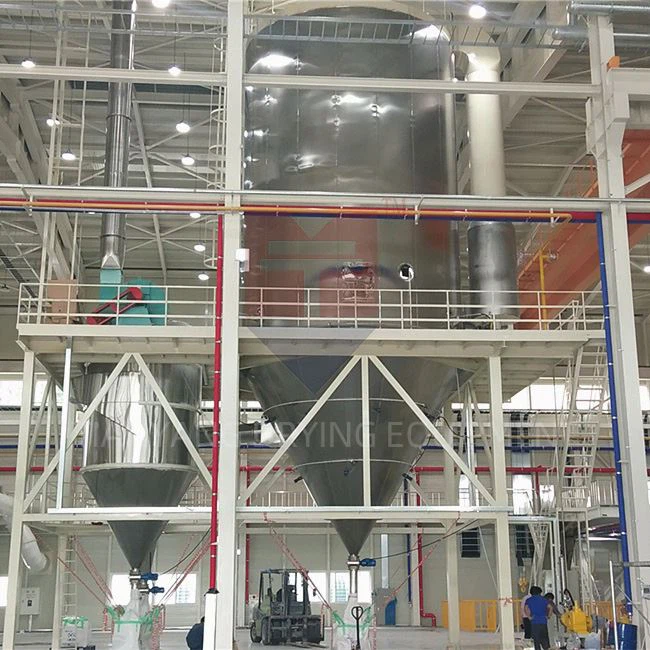
We, as a Pressure Nozzle Spray Dryer supplier, offer a range of high - quality products designed to address these common problems. Our Pressure Spray Drying Granulator Mixed Flow is engineered with advanced features to ensure efficient and uniform drying. It has a well - designed nozzle system and airflow configuration to minimize clogging and achieve an even spray pattern.
Our Cocurrent Flow Pressure Spray Granulation Dryer is another excellent option. It provides precise temperature control and optimized airflow, which helps in preventing overheating or under - drying of the product.
Contact Us for Purchase and Consultation
If you are facing any of the problems mentioned above with your current pressure nozzle spray dryer or are looking to purchase a new one, we are here to help. Our team of experts can provide you with in - depth technical support and customized solutions based on your specific requirements. Whether you need advice on maintenance, troubleshooting, or product selection, we are just a message away. Reach out to us for a detailed consultation and let's work together to improve your drying process and product quality.
References
- Masters, K. (1991). Spray Drying Handbook. Longman Scientific & Technical.
- Mujumdar, A. S. (2007). Handbook of Industrial Drying. CRC Press.