

What are the safety features of a good heater?
As a seasoned heater supplier, I've witnessed firsthand the pivotal role that safety features play in the design and functionality of heaters. In an era where energy efficiency and performance are often in the spotlight, safety remains the cornerstone of any reliable heating solution. In this blog post, I'll delve into the essential safety features that define a good heater, providing you with the knowledge to make an informed decision for your heating needs.
Overheat Protection
One of the most critical safety features in a heater is overheat protection. This mechanism is designed to automatically shut off the heater if it reaches an unsafe temperature. Overheating can lead to a variety of hazards, including fire, damage to the heater itself, and potential harm to the surrounding environment.
Modern heaters typically use a thermostat or a thermal cut-off switch to implement overheat protection. A thermostat monitors the temperature of the heater and adjusts the power output to maintain a safe operating temperature. If the temperature exceeds a pre-set limit, the thermostat will cut off the power supply to the heater.
On the other hand, a thermal cut-off switch is a fail-safe device that provides an additional layer of protection. It is a one-time use switch that permanently disconnects the power supply if the temperature reaches a critical level. This ensures that the heater cannot continue to operate even if the thermostat malfunctions.
Tip-Over Protection
Tip-over protection is another essential safety feature, especially for portable heaters. These heaters are often used in areas where they may be accidentally knocked over, such as in a living room or a bedroom. If a heater continues to operate after being tipped over, it can pose a significant fire risk.
Tip-over protection works by using a switch that is activated when the heater is tilted beyond a certain angle. When this happens, the switch cuts off the power supply to the heater, preventing it from overheating and potentially starting a fire. This feature provides peace of mind, knowing that your heater will automatically shut off if it is accidentally knocked over.
Flame Failure Device (FFD)
For heaters that use gas or oil as a fuel source, a flame failure device (FFD) is a crucial safety feature. The FFD is designed to detect if the flame in the burner goes out and automatically shut off the fuel supply. This prevents the release of unburned gas or oil, which can be highly flammable and pose a serious safety hazard.
There are several types of FFDs, including thermocouples and flame rectification sensors. A thermocouple is a device that generates a small electrical current when heated by the flame. If the flame goes out, the thermocouple cools down, and the electrical current stops. This signals the FFD to shut off the fuel supply.
A flame rectification sensor, on the other hand, uses the principle of electrical conductivity to detect the presence of a flame. It sends a small electrical current through the flame, and if the flame goes out, the current is interrupted. This triggers the FFD to shut off the fuel supply.
Airflow Sensors
Airflow sensors are an important safety feature in heaters that rely on forced air circulation, such as Hot Air Furnace for Spray Dryer and Hot Air Stove for Spray Dryer. These sensors monitor the airflow through the heater and ensure that it is sufficient to prevent overheating.
If the airflow is restricted, for example, due to a blocked air intake or a clogged filter, the heater can overheat. The airflow sensor detects this and automatically shuts off the heater to prevent damage and potential fire hazards. Regular maintenance, such as cleaning or replacing the air filters, is essential to ensure the proper functioning of the airflow sensors.
Insulation and Enclosure
Proper insulation and enclosure are also important safety features in a heater. Insulation helps to reduce heat loss and improve energy efficiency, but it also plays a crucial role in preventing burns. A well-insulated heater will have a cooler outer surface, reducing the risk of accidental contact and burns.
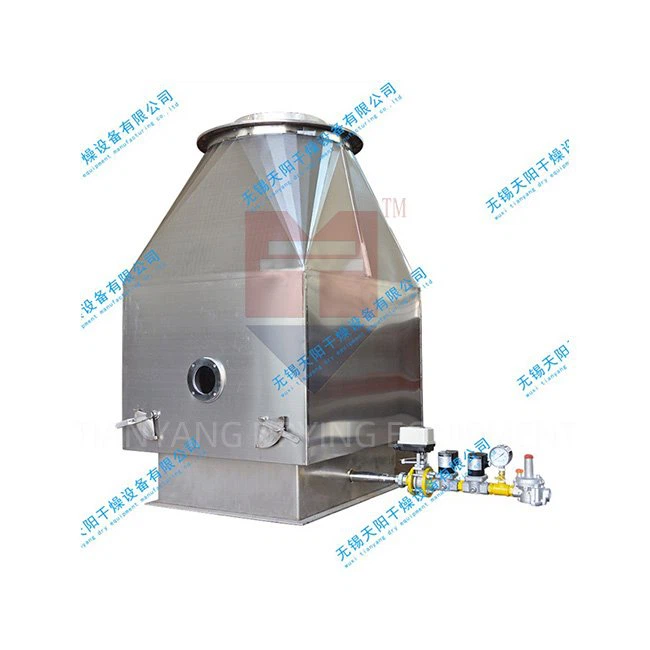
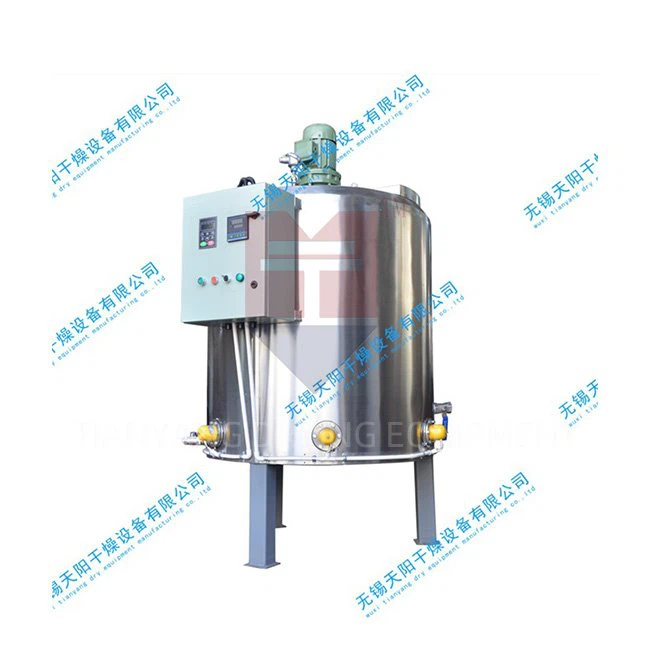
The enclosure of the heater should also be designed to prevent access to the internal components. This includes using safety guards and covers to protect against accidental contact with hot surfaces, electrical components, and moving parts. Additionally, the enclosure should be made of fire-resistant materials to minimize the risk of fire spreading in case of a malfunction.
Carbon Monoxide Detector
For heaters that burn fuel, such as gas, oil, or wood, a carbon monoxide (CO) detector is a must-have safety feature. Carbon monoxide is a colorless, odorless, and tasteless gas that is produced by incomplete combustion. It can be extremely dangerous, as it can cause headaches, dizziness, nausea, and even death if inhaled in high concentrations.
A CO detector continuously monitors the air for the presence of carbon monoxide and alerts you if the levels exceed a safe limit. It is recommended to install a CO detector in the same room as the heater and to test it regularly to ensure that it is functioning properly.
Conclusion
In conclusion, the safety features of a good heater are essential for protecting your home, your family, and your property. Overheat protection, tip-over protection, flame failure devices, airflow sensors, insulation, enclosures, and carbon monoxide detectors are just some of the key safety features that you should look for when choosing a heater.
As a heater supplier, I am committed to providing high-quality heaters that meet the highest safety standards. Our heaters are designed with the latest safety technologies to ensure your peace of mind and protection. If you are in the market for a new heater, I encourage you to contact us to discuss your heating needs and explore our range of safe and reliable heating solutions.
References
- American Society of Heating, Refrigerating and Air-Conditioning Engineers (ASHRAE). (2020). ASHRAE Handbook - Fundamentals.
- National Fire Protection Association (NFPA). (2021). NFPA 54: National Fuel Gas Code.
- Underwriters Laboratories (UL). (2022). UL 1275: Standard for Safety for Electric Room Heaters.